Painting a plaster figurine looks like the simplest craft in the world: open the pot, dip the brush, done. Then the piece dries, someone picks it up, and the color comes off on their fingers. That disappointment is not bad luck, and it is not cheap paint — it is one skipped step that almost nobody talks about.
🎨 Discover RIIN Art ready-to-paint plaster figurines
Pre-order on WhatsApp, cash on delivery, anywhere in Morocco.
To paint a plaster figurine, first dust it with a dry brush, then seal the porous surface with a first coat of paint diluted with about 15% water. Paint your colors in thin layers, let the piece dry for a full 24 hours, and finish with a clear acrylic varnish. Suitable from age 3, with an adult alongside for the youngest.
Why plaster has to be sealed before you paint it
Plaster is a natural, porous material — it drinks water at a surprising speed. When you brush undiluted paint straight onto raw plaster, the figurine pulls the water out of the paint almost instantly and leaves the pigment sitting on the surface with nothing to bond to. That is exactly what produces the two classic failures: a chalky finish that rubs off on little hands, and color that flakes at the first knock.
The fix is to saturate those pores before the real colors go on. Once the surface is sealed, the paint can dry as a film that grips the figurine instead of a powder resting on top of it. This single step is the difference between a piece that survives a year on a shelf and one that looks tired by the next morning.
Do you need gesso, shellac or a special primer?
Search this question in English and you will be told to buy gesso, shellac, lacquer or polyurethane. Those recommendations are real, but they come from a different world: restoring plaster walls and waterproofing garden statues. They are products for adults working in a ventilated workshop, and they have no place on a kitchen table with a three-year-old.
For a children’s painting session, you do not need to buy anything extra. A first coat of your own paint, diluted with about 15% water, seals the plaster just as effectively. It costs nothing, it adds no drying time worth mentioning, and it stays completely child-safe. Gesso is a fine option if you already have some, but treat it as optional — not as a reason to postpone the activity.
Which paint works best on a plaster figurine
Not all paints suit this material. Watercolors are too thin and vanish into the plaster. Oil paints take days to dry and give off fumes that have no business near children. Markers skid off the raised areas and leave the hollows untouched.
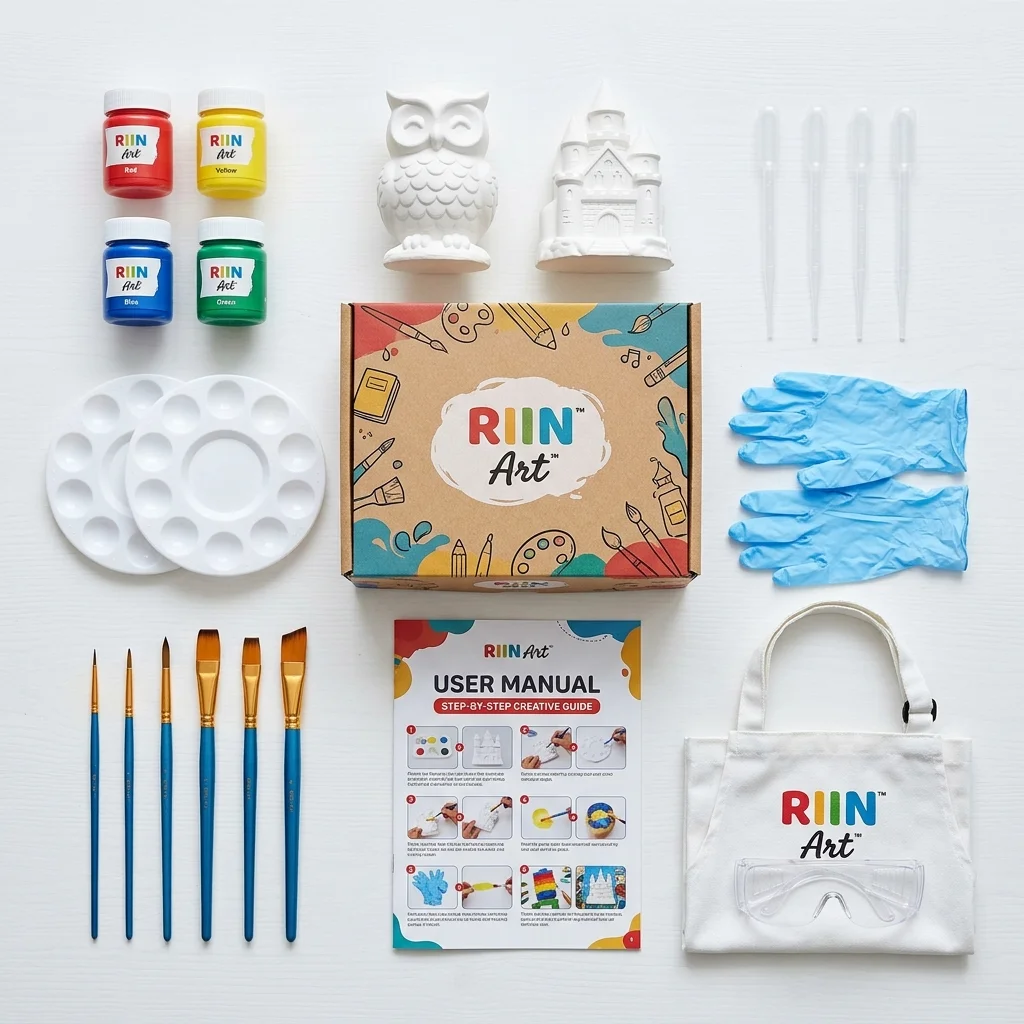
Washable acrylic paint is the sweet spot, and it is what we put in every RIIN Art kit. It gives you the covering power and the smooth finish of acrylic without the drawbacks: if it ends up on fingers, on clothes or on the table, warm water and soap take it straight off. Professional-looking results, no stress for the person cleaning up.
The RIIN Art method, in four steps
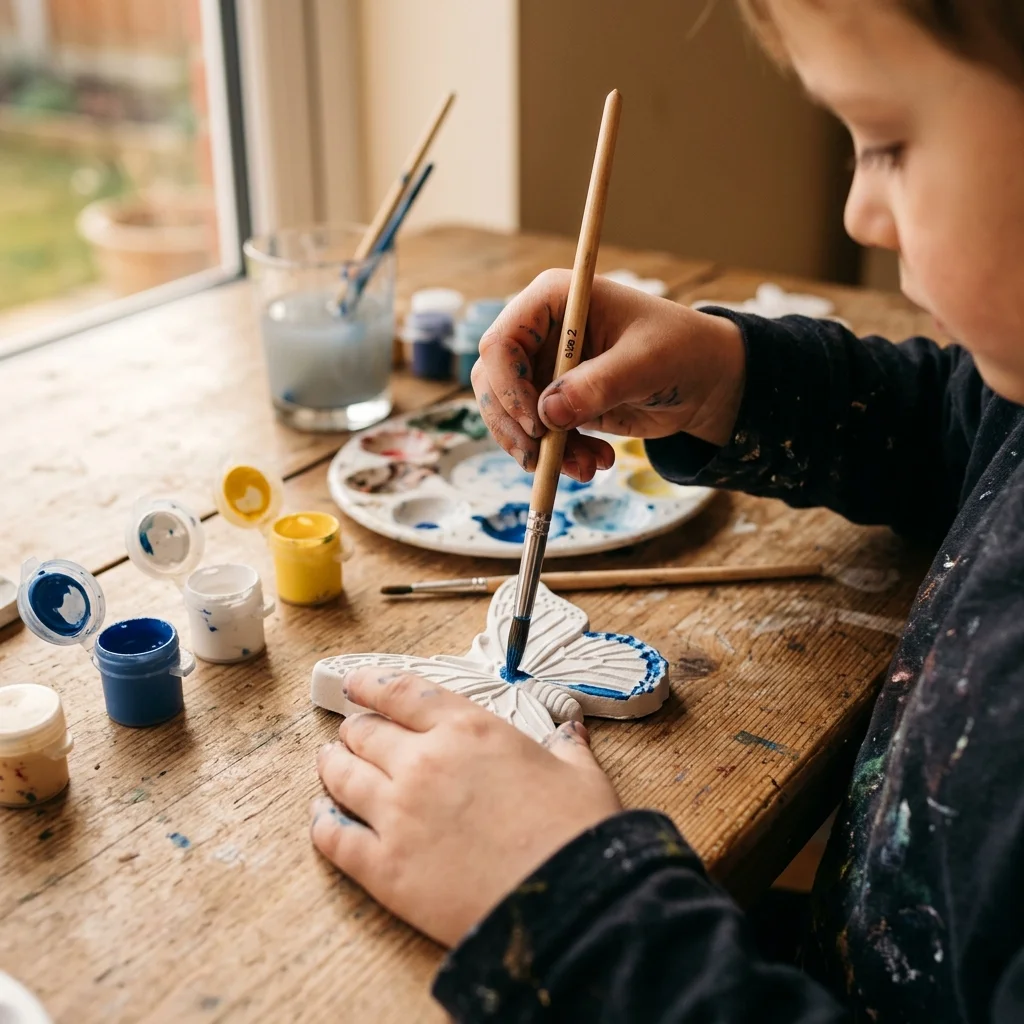
This is the exact protocol our artisans follow in the Casablanca workshop:
- Dust it. Run a soft, dry brush over the whole figurine to remove the fine plaster residue left by the mold.
- Seal it. Mix a little white or light-colored paint with about 15% water, brush it over the entire piece, and let it dry for 15 minutes.
- Add the colors. Paint straight from the pot, in thin coats, using the tip of the brush so the fine raised details stay sharp.
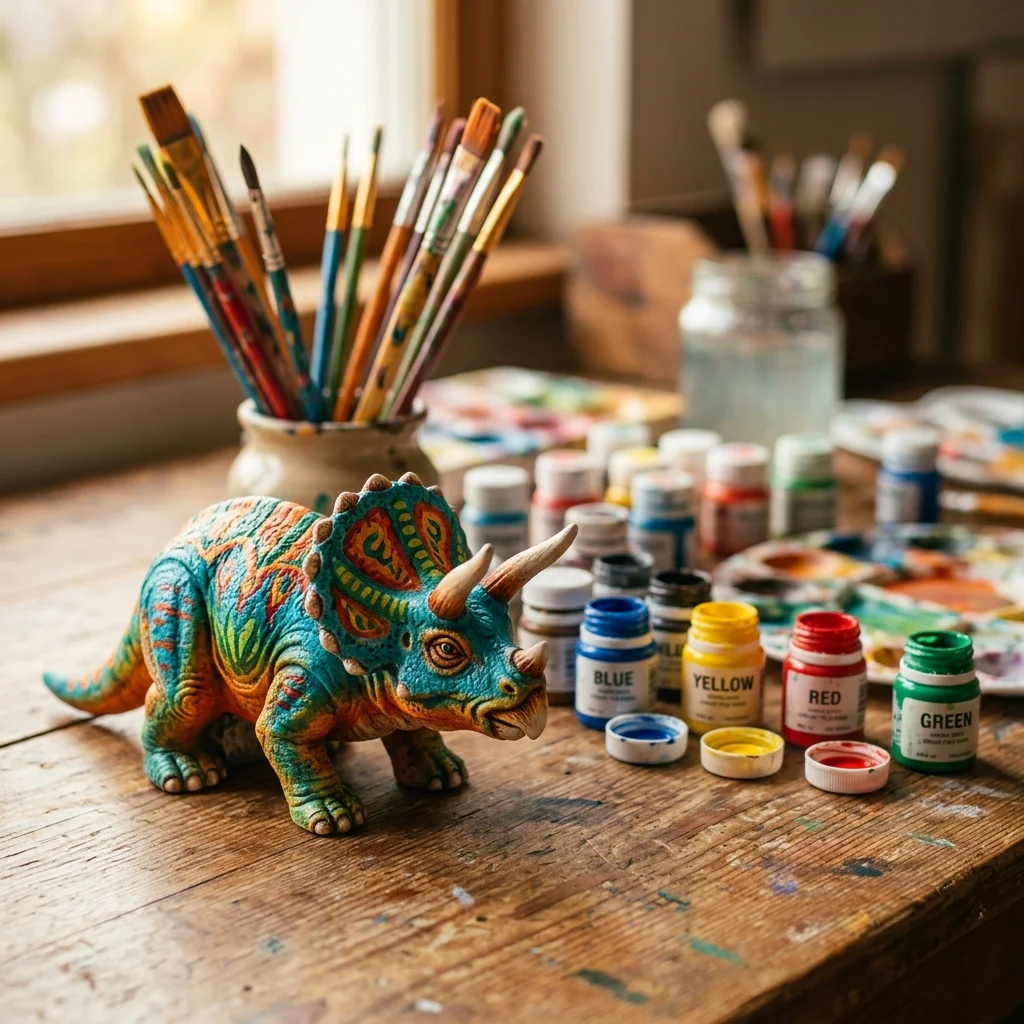
- Protect it. Let the figurine dry for 24 hours away from humidity, then apply a clear acrylic varnish.
The whole sequence takes about 45 minutes of active work, spread over two sessions if you let the piece rest overnight — which is often the better plan with younger children anyway.
Mixing colors: the science lesson hiding in the kit
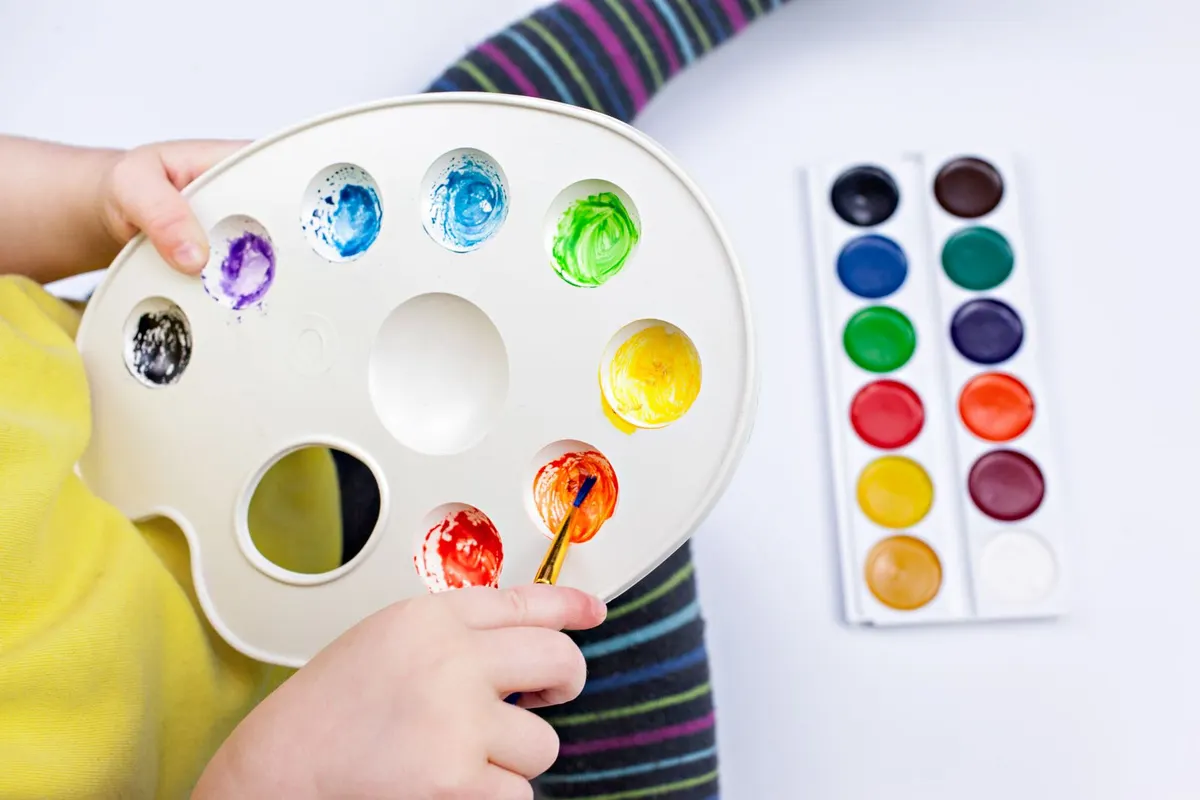
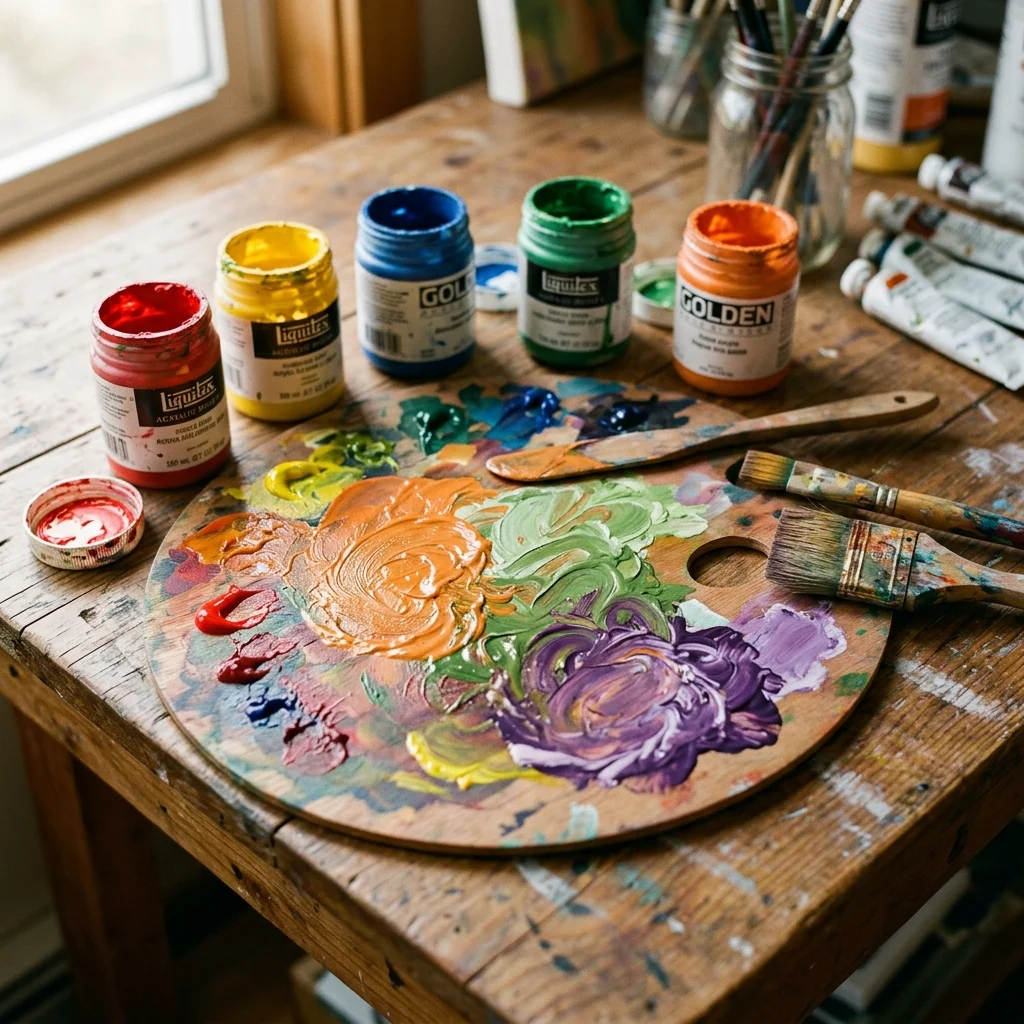
Every kit contains the primary colors, and that is deliberate. Red and yellow make orange, yellow and blue make green, red and blue make purple. With a handful of pots, your child can build a whole palette — and discover, hands-on, a rule they will meet again in school.
Encourage small test dabs on the palette rather than big pours. It builds real creative independence, it trains fine motor control, and it turns a coloring session into something closer to an experiment. A printable color chart and the full set of mixing recipes are coming soon to this blog.
Drying time and varnish: what makes a figurine last
Once the final brushstroke lands, everyone wants to play with the figurine immediately. This is the moment to be patient.
Acrylic paint feels dry to the touch within half an hour, but the water that soaked into the plaster needs far longer to evaporate completely. Give it a full day before applying a clear protective varnish. That varnish then works as a shield against humidity, dust and fingerprints — and it is what turns a craft project into a genuine decorative object your child can keep on a bedroom shelf for years. With the Classic Kit and the Gift Box, some figurines come with a magnet, so the finished piece can go straight onto the fridge instead.

Painting with a 3-year-old and with an 8-year-old
The same figurine works across a wide age range, which is what makes this activity so practical for siblings. From age 3, with an adult alongside, younger children handle the large areas and the sealing coat happily — precision is not the point, covering the surface is. They get the sensory pleasure of a three-dimensional object, which flat coloring on paper simply cannot offer.
Older children, from around six or seven, can take on the fine work: gradients, eyes, textures, tiny details with the thin brush. One table, one activity, two levels of challenge — and nobody has to wait their turn. The same logic scales up to a whole table of guests: here is how to run a plaster painting birthday party at home.
Where to get ready-to-paint plaster figurines in Morocco
One detail worth knowing: RIIN Art figurines arrive pre-molded and ready to paint. There is no plaster powder to mix, nothing to cast, no mold to wait on. Our artisans do that part in Casablanca, so your child starts at the fun stage — which also means the plaster is fully cured and will take paint properly from the first brushstroke.
Kits are available by pre-order on WhatsApp, with delivery anywhere in Morocco and cash on delivery: you only pay once the parcel is in your hands. Three options, from a first try to a birthday gift.
If you are weighing this against other options sold locally, our comparison of the best craft kits for kids in Morocco puts the prices and contents side by side.
Frequently asked questions
Which brush should I use for the raised details?
Use a medium flat brush for the large areas of the figurine, and a very fine round brush for details such as eyes or small raised textures. Both are included in the Classic Kit and the Gift Box.
Can you paint plaster while it is still damp?
No. If there is still water inside the figurine, the paint cannot bond properly and may bubble or flake as the piece finishes drying. RIIN Art figurines arrive fully cured and ready to paint, so this is only a concern if the piece has been washed.
Why does my paint rub off after it dries?
That usually happens when you paint over dusty plaster, or when you apply a thick coat with no diluted sealing layer underneath. Dust the figurine first and never skip the diluted first coat.
Do I need gesso or a special primer for plaster?
Not for this activity. Gesso works, but a first coat of your own paint diluted with about 15% water seals the plaster just as well, costs nothing extra, and stays completely child-safe. Skip shellac, lacquer and polyurethane — those are for outdoor garden statues, not for a table with kids around.
Article by the RIIN Art team — Casablanca. Images: Pexels and AI-generated illustrations.