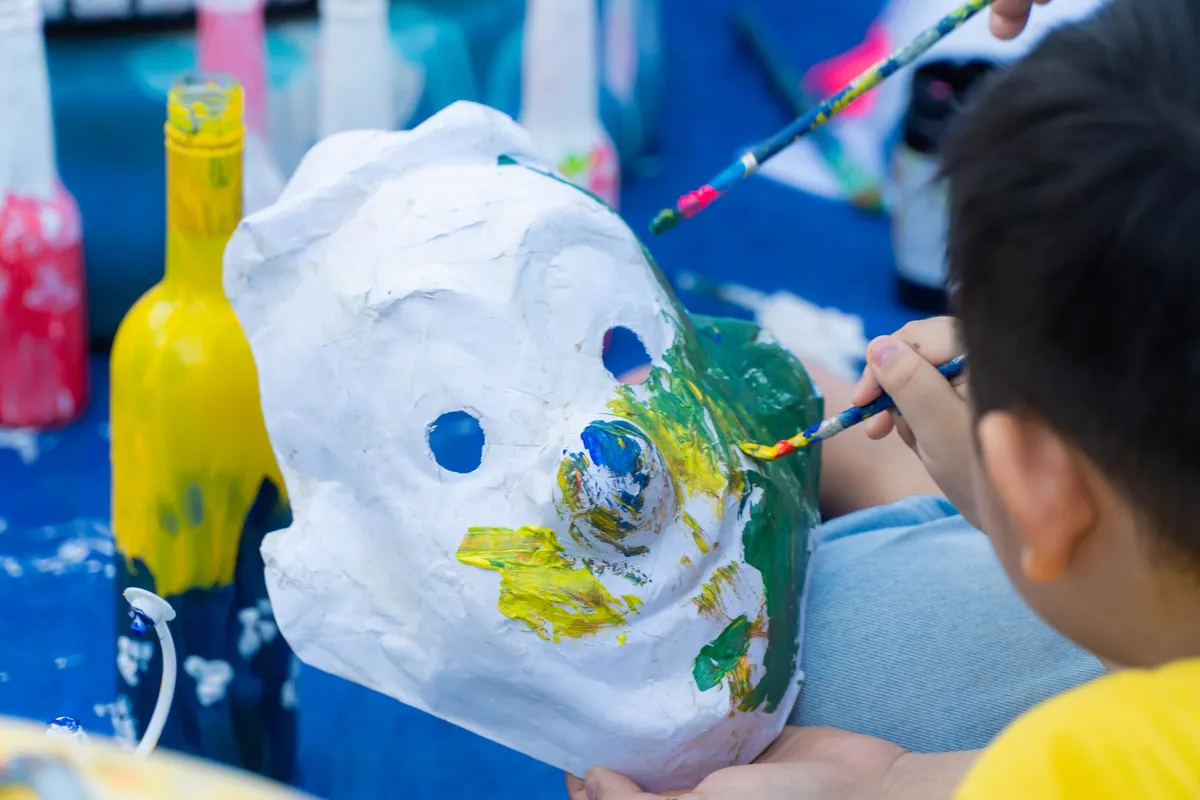
There is a moment most parents recognize. You put out the paints and the colored paper, the way you have done for years, and your eight-year-old looks at the table and says it is for little kids. Nothing has gone wrong with your child. The activity has simply stopped matching who they are becoming.
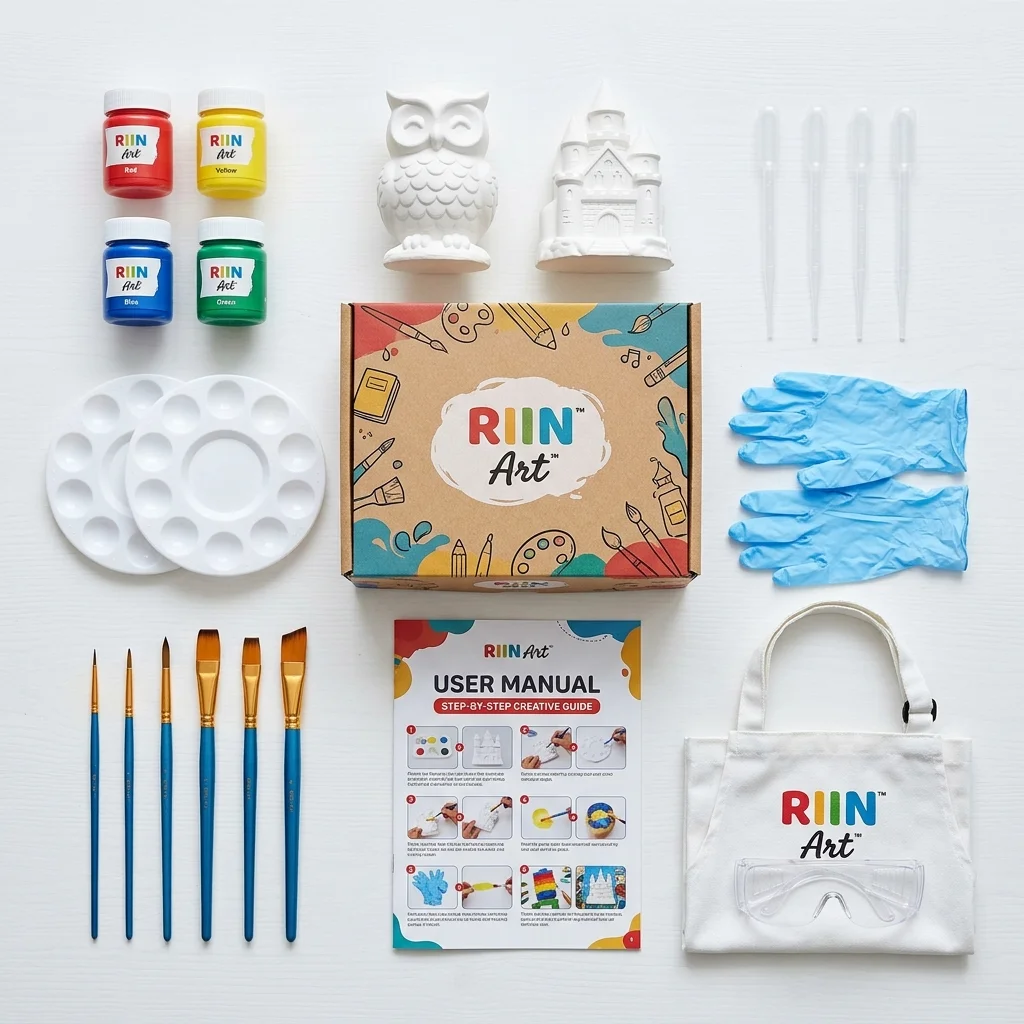
🎨 Discover RIIN Art ready-to-paint plaster figurines
Pre-order on WhatsApp, cash on delivery, anywhere in Morocco.
The best crafts for kids aged 8 to 12 are the ones that offer a real challenge and end in an object worth keeping: a painted figurine, a cardboard model, beadwork or a creative notebook. Choose by temperament rather than exact age, and let the child work independently once the activity has started.
Why an 8-year-old suddenly calls crafts babyish
Between 8 and 12, children start judging their own work. They can tell the difference between something they made and something they merely filled in, and they are quietly embarrassed by the second one.
Three things make an activity read as babyish, and none of them have to do with difficulty:
- Everything is decided in advance. A printed outline to color in leaves no room for a personal choice. An older child wants to decide what the thing looks like.
- The adult does the interesting part. If a grown-up handles the cutting, the gluing and the assembly, the child is a spectator. That is the fastest way to lose them.
- The result gets thrown away. A paper craft that ends up in the trash on Sunday evening tells the child the work did not matter.
Change the project, not the child. The same eight-year-old who refuses the coloring book will spend an hour on a figurine, because the outcome is theirs and it lasts.
The one question that predicts whether they will finish it
Before you buy anything, ask yourself this: would my child wear it, display it in their room, or give it to someone?
If the honest answer is no, the project will most likely be abandoned halfway. That single filter is more useful than a list of fifty ideas, because it matches what actually motivates this age group: making something real, and being seen to have made it.
It is also why a painted figurine works so well here. It goes on a shelf or a desk. With a RIIN Art kit it can even become a fridge magnet, which means the whole family walks past the child’s work every day.
Crafts for 8-9 year olds: precision that is starting to settle
At this age the hand is steady enough for detail, but patience still has limits. Aim for something that can be finished in one sitting.
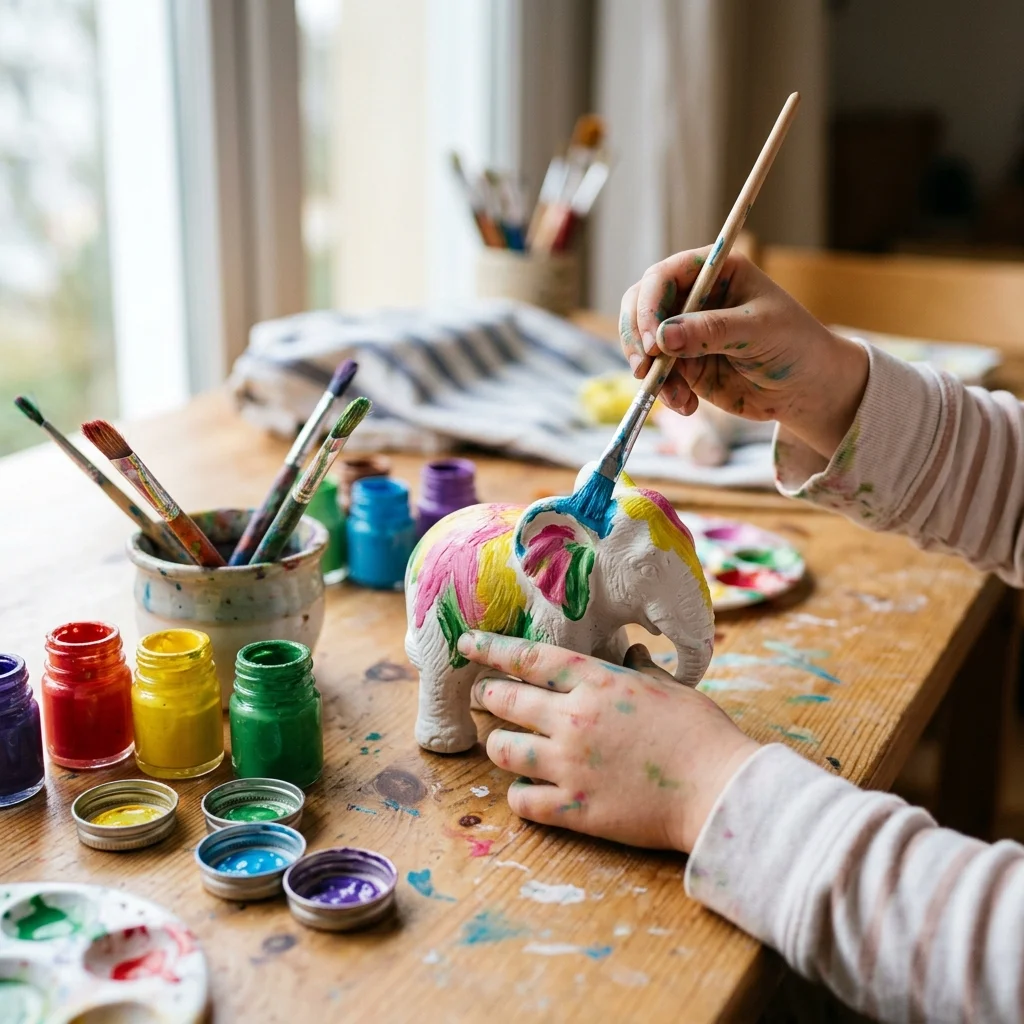
1. Painting a plaster figurine. The child receives a figurine that is already molded and ready to paint, and decorates it however they like. It trains precision on the raised areas, involves real color decisions, and ends in a finished object. If it is their first time, our guide on how to paint a plaster figurine covers the one step that stops the paint rubbing off.
2. A personalized bookmark. Card, markers, a bit of ribbon, and their own name on it. Quick, useful, and it quietly encourages reading.
3. Iron-on beads. Copying a pattern bead by bead demands patience and a careful eye. Excellent for a child who struggles to sit still.
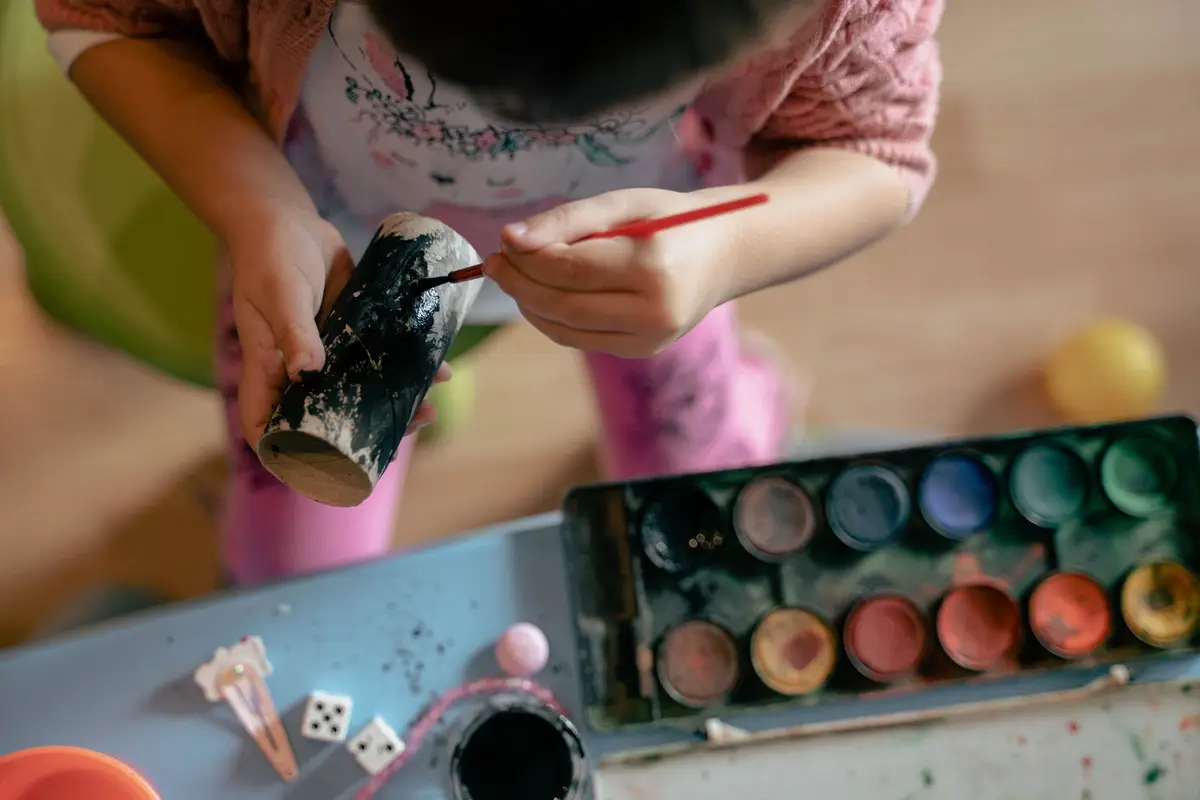
4. Painted stones. This costs almost nothing: collect smooth stones and turn them into ladybugs, monsters or little messages. Good practice before moving on to finer surfaces.
5. A pressed-leaf album. Collecting, sorting and labeling dried leaves mixes craft with discovery, and it is a gentle way into quiet concentration.
6. Pop-up cards. One clever fold and a birthday card opens into three dimensions. Children love the surprise effect and pick up some geometry without noticing.
Crafts for 10-12 year olds: projects with a style of their own
Older children want their work to look deliberate. Give them projects that reward patience across several sessions.
7. The figurine, detail version. Same starting point, higher expectations: gradients, shadows, fine-brush finishing. It is a first step into real painting, and the result ends up on the desk rather than in a drawer.
8. A sketchbook or a homemade comic. Many children this age invent stories. A notebook and a pencil turn them into authors, with no equipment to buy and hours of independence.
9. A cardboard model. House, castle, spacecraft: building in three dimensions out of recycled boxes develops planning and resourcefulness, and it can run across several days.
10. Friendship bracelets. Knotting threads to a pattern demands method and persistence. The bonus is that they can be given to friends, which multiplies the motivation.
11. A dreamcatcher. Weaving, wrapping and decorating with feathers is meticulous work with a decorative payoff, popular with pre-teens who like personalizing their room.
12. Scrapbooking or a creative journal. Photos, tickets and mementos in one notebook combines writing, cutting and layout. A slow activity that keeps going over time.
Quick crafts for a rainy afternoon
No time to set up a full workshop? Aim for fifteen minutes of preparation and materials you already have at home.
- A decorated pencil pot made from an empty tin can and some paint.
- Paper planes and rockets, followed by a throwing contest.
- Express salt dough: flour, salt and water, shaped into small pieces to paint once dry.
These do the job, but they rarely hold attention beyond twenty minutes. For genuine concentration, choose a project that ends in an object worth keeping.
What to skip, and why most lists of fifty ideas disappoint
English-language craft lists lean heavily on polymer clay, resin, embroidery floss and specialist glues. They assume a large craft store around the corner. Here in Morocco, half of those materials mean an online order, a long wait and a budget that no longer matches an afternoon activity.
Those lists also confuse quantity with usefulness. Fifty ideas do not help a parent decide; one good filter does. Prefer activities built on materials you can genuinely find, such as paint, card, thread and plaster, and accept that three well-chosen projects beat a scroll through fifty.
If you would rather buy a ready-made kit than assemble supplies, we compared what is actually available in Morocco and at what price.
Two other things are worth avoiding at this age: kits where an adult has to do the difficult step, and anything whose outcome is designed to be thrown away.
What about a younger brother or sister at the table?
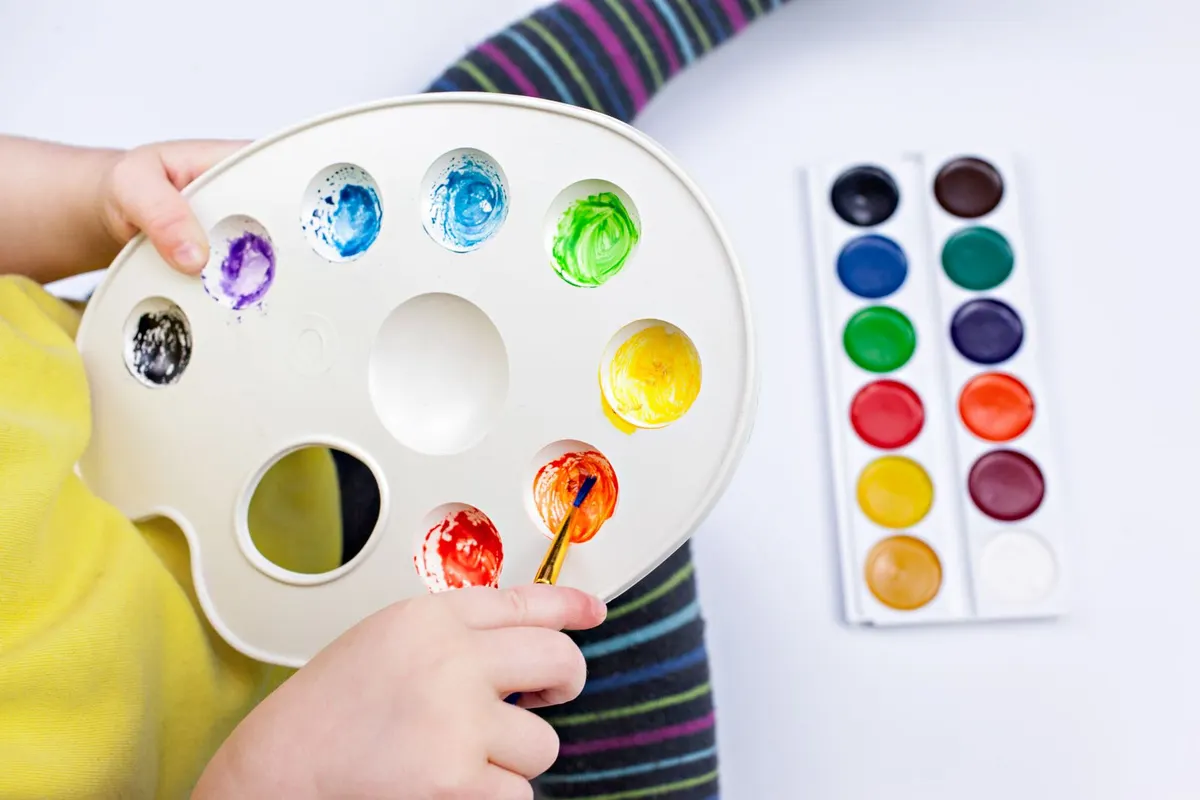
Under 6, the ideas above are too demanding. Younger children are after sensory discovery and the pleasure of spreading color, not precision.
The good news is that a ready-to-paint figurine works from age 3. You simply adjust how much help you give. The plaster is natural, non-toxic and free of additives, and the paints wash out with water, so two children can work side by side at different levels, with an adult alongside for the youngest.
Why screen-free matters most at this age
Between 8 and 12, the pull of screens is at its strongest. A hands-on craft gives exactly what a screen cannot: a real object, made by them, and the pride that comes with it.
A child who finishes a painted figurine or a cardboard model has made decisions, worked through small setbacks, and owns the result. That feeling feeds self-esteem far more durably than a level cleared in a game. It is also quiet, which is not nothing on a long afternoon.
If you are choosing a birthday or Eid present for a child this age, we explain what makes a creative gift for kids last beyond the first afternoon.
Frequently asked questions
What crafts are good for an 8-year-old?
At 8, pick something that asks for precision but forgives a shaky hand: painting a plaster figurine, painted stones, iron-on beads or a personalized bookmark. The dexterity is there, so the child can finish something genuinely good-looking without an adult taking over the hard parts.
What can a 10- or 11-year-old make at home?
Aim for a project with a personal style: a detailed paint job on a figurine with shading and fine-brush finishing, a comic notebook, a cardboard model, friendship bracelets or a scrapbook. These run over several sessions and end in something they will actually keep.
Why does my child say crafts are for babies?
Usually because the activity looks pre-decided: bright primary colors, an outline to fill in, or a result that goes straight in the trash. Older kids want room for their own choices and an object worth displaying. Change the project, not the child.
Which craft is genuinely calm and screen-free?
Painting on plaster is one of the most reliable. It sets its own slow rhythm — paint, wait for it to dry, come back — which pulls a child into concentration. Expect 30 to 60 minutes of quiet, and a decorative object at the end of it.
Article by the RIIN Art team - Casablanca.
Cover photo: Quyn Phạm via Pexels.