Nobody reaches for the tablet because they think it is good for their child. They reach for it at six in the evening, when dinner is not started, a work call is running late, and the alternative is twenty minutes of negotiation. That is the real moment screen time is decided, and it is the moment almost every list of screen-free ideas quietly ignores.
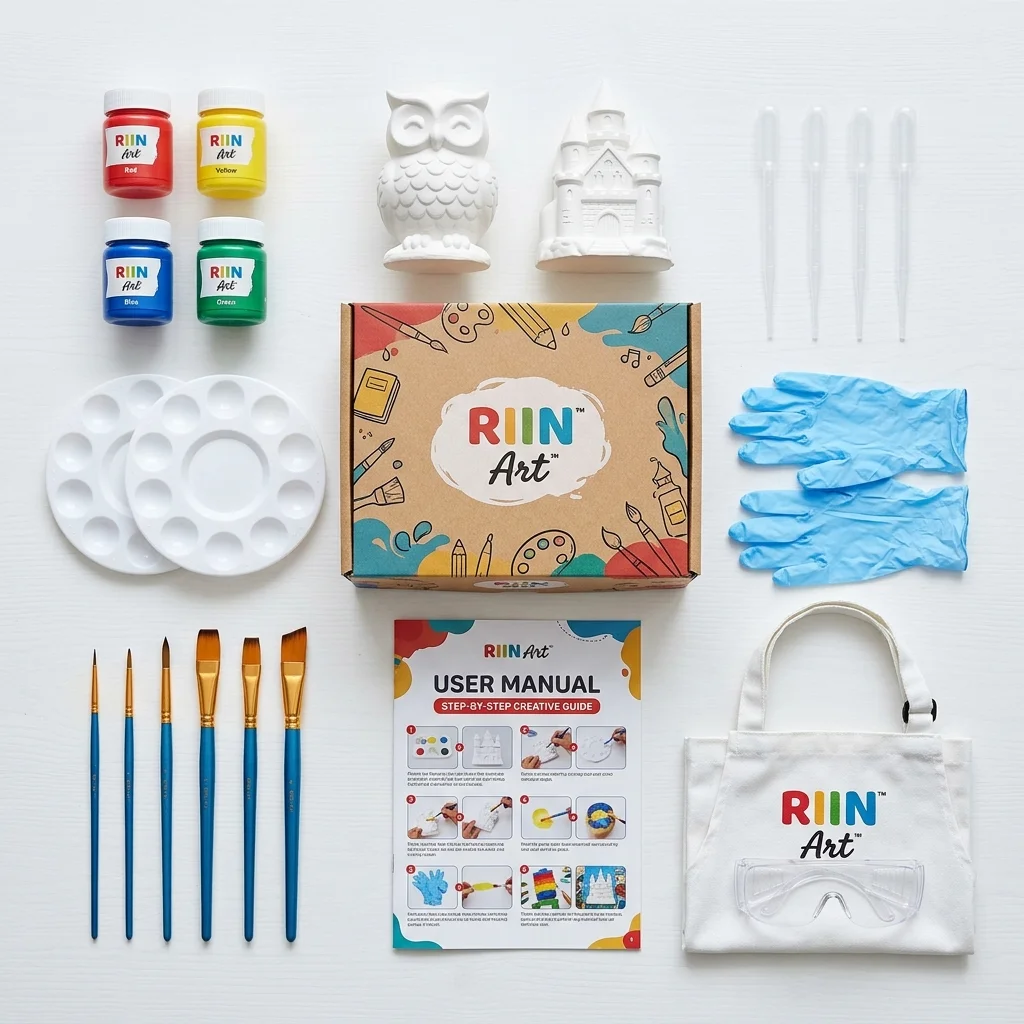
🎨 Discover RIIN Art ready-to-paint plaster figurines
Pre-order on WhatsApp, cash on delivery, anywhere in Morocco.
The screen-free activities that actually work are the ones a child can keep going without you: a clear finish line, no step that only an adult can do, and a natural pause that pulls the child back later. Painting a plaster figurine ticks all three, from age 3 with help and largely alone from about 6.
Why lists of 100 screen-free ideas do not survive a real Tuesday
Search in English and you will find plenty of them: 100 things to do without a screen, 102 activities, 25 projects. Read them closely and a pattern appears. The dance party, the obstacle course, the baking session, the nature walk, the animal charades - almost every idea needs an adult in the room, taking part.
Those are lovely things to do together. They are simply not answers to the problem parents actually have, which is what happens when you are not available.
The smaller sub-genre of “activities your kids can do alone” gets closer, but it mostly buys minutes: a balloon game, a hidden toy hunt, a jump rope. Fifteen minutes, then the child is back at your elbow. Nothing was made, so there is nothing to return to.
The three things that make an activity hold without you
Instead of collecting a hundred ideas, it is more useful to know what separates the ones that hold from the ones that collapse.
- A visible finish line. The child has to be able to picture the finished thing before starting. “Draw something” has no end; “paint this dinosaur” does.
- No adult-only step in the middle. If the activity stalls on cutting, measuring or mixing something the child cannot manage, it ends the second you are busy. Check for this before you buy anything.
- A built-in pause that restarts it. This is the one nobody talks about, and it is the most valuable of the three.
An activity that is simply “long” does not exist for a young child. What exists is an activity a child leaves and comes back to.
Drying time is the feature, not the delay
Painting on plaster has a property that looks like a drawback and is in fact the whole point: it has to dry.
The child paints a first coat. It needs fifteen minutes. They wander off, and something interesting happens - they come back. Then the colors go on, and the piece needs a full day before varnishing. They come back again.

One kit therefore turns into three short sessions spread across a day or two, instead of one block of attention that a six-year-old does not have anyway. And each return is initiated by the child, not by you. That is the difference between filling time and genuinely occupying it. If you are setting up for the first time, our guide on how to paint a plaster figurine covers the one step that stops the paint rubbing off later.
What actually holds, age by age
Be realistic about the numbers. Independent attention is much shorter than most articles imply, and an activity that “fails” is often just one aimed at the wrong age.
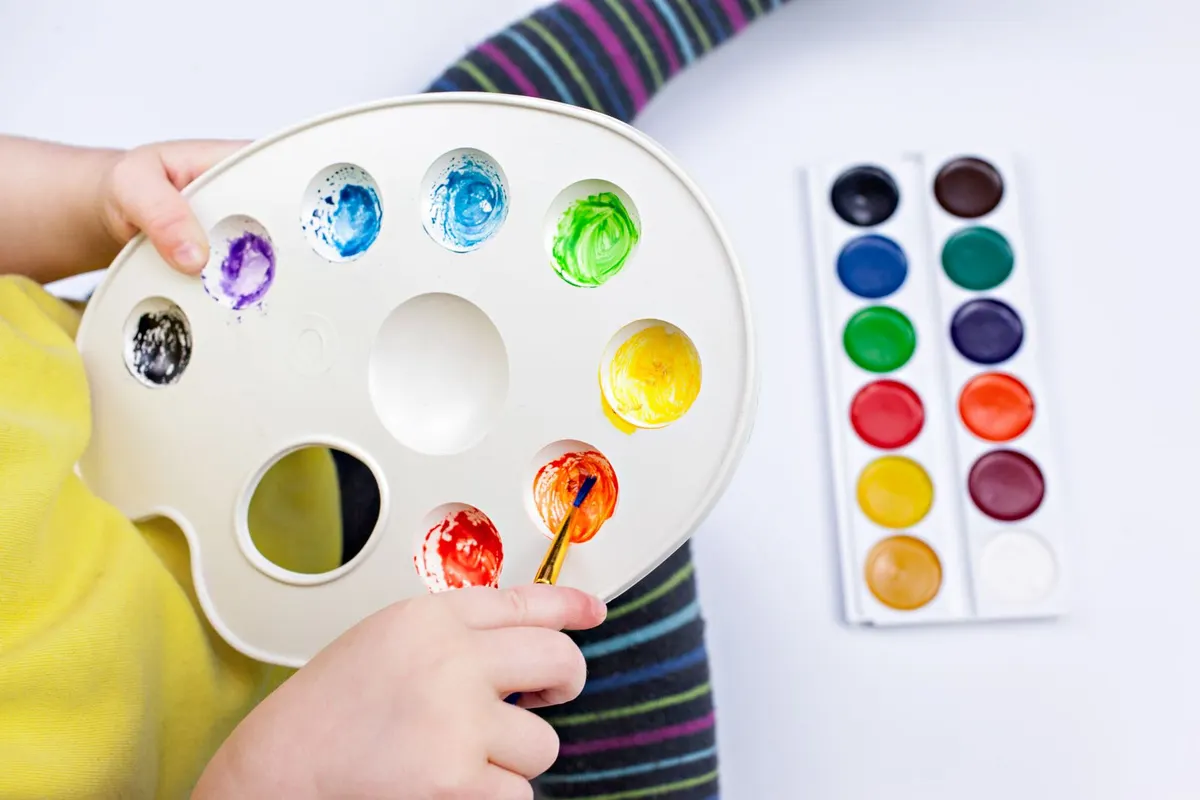
Ages 3 to 5: ten to fifteen minutes, with you nearby. At this age the pleasure is in spreading color, not in precision. Set the figurine down, put out three colors rather than twelve, and accept a purple lion. You will be needed for the first two minutes and then mostly ignored, which is exactly right.
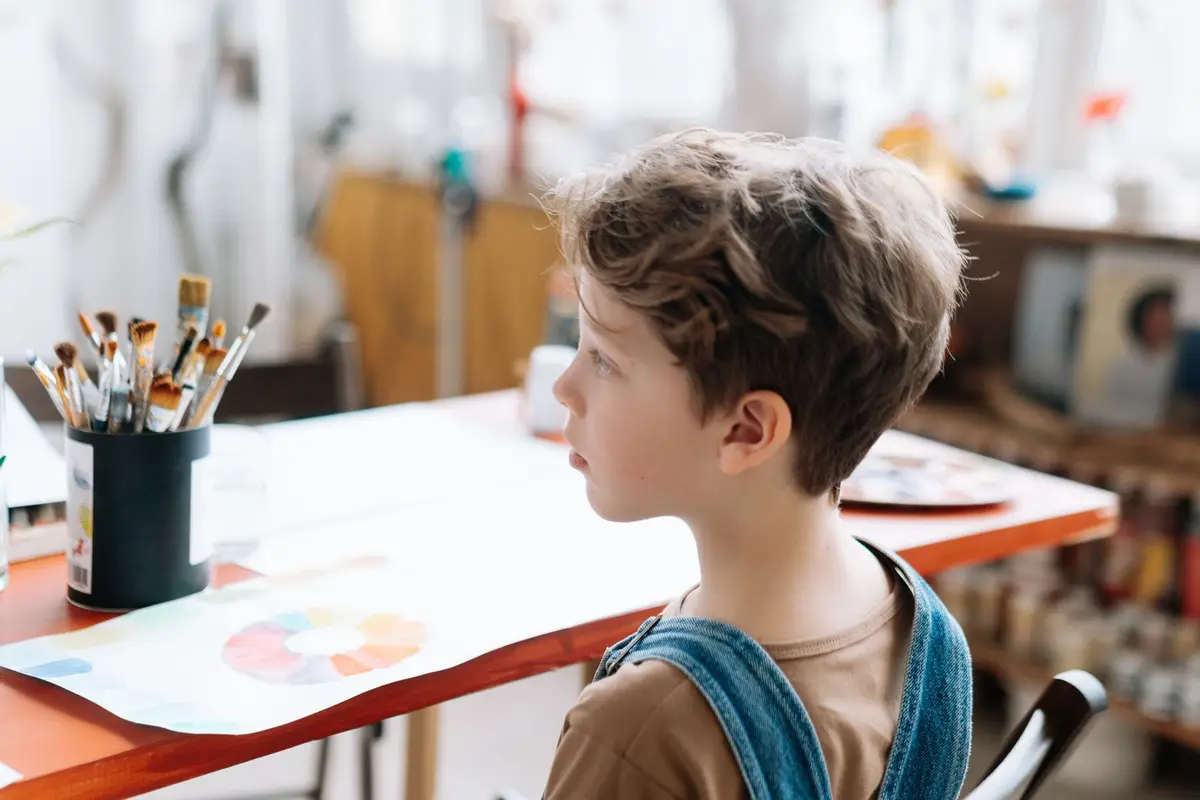
Ages 6 to 8: twenty to thirty minutes, largely alone. The hand is steady enough for detail and the child now cares about the result. This is the age where a finished object starts to matter more than the activity itself, and where the drying pause really works.
Ages 9 to 12: up to an hour, entirely their own. Older children want their work to look deliberate - shading, fine-brush finishing, a piece worth putting on a desk. We covered what suits this age in our guide to crafts for kids aged 8 to 12, including the filter that predicts whether a project gets finished.
Setting up a screen-free corner in five minutes
The setup matters more than the activity list. Materials that are buried do not get used.
Keep one tray with everything on it: the figurine, the brushes, a small water pot, a cloth. Leave it visible - a shelf at the child’s height, not a cupboard you have to open. A child who can start without asking you will start far more often.
Protect the table once, properly, so you never have to supervise for the sake of the furniture. And keep it small: three colors out, not the whole set. Choice paralysis is real at five years old.
How to help without taking over
The instinct to fix a wobbly brushstroke is strong. Resist it.
Prepare the table together, guide the first color mix for the youngest, then step back. Praise the effort and the choices rather than the accuracy: ask why they picked that color, not whether it stayed inside the lines. If the giraffe has spots in the wrong places, it is still theirs, and that ownership is precisely what makes the child come back tomorrow.
The moment an adult starts correcting, the activity stops belonging to the child - and an activity that does not belong to them will always lose to a screen.
What to expect in the first week
The first session will probably be shorter than you hoped. That is normal, and it is not a sign the activity has failed.
Children who are used to fast, constantly changing stimulation need a little time to settle into something slow. Give it three or four sessions before judging. What usually changes first is not the length of the session but the child’s willingness to start on their own, which is the outcome that actually matters.
Where to find a kit in Morocco
RIIN Art is a family workshop based in Casablanca. The figurines arrive already molded and ready to paint, in natural plaster with no additives, with washable paints - so a session needs nothing but a table and some water.
Kits are ordered on WhatsApp, paid cash on delivery, and delivered anywhere in Morocco. Prices are in MAD, with no import wait and nothing extra to buy.
Frequently asked questions
What is the best screen-free activity for a child?
Painting a plaster figurine is one of the most reliable, because it produces a real object the child keeps. It works from age 3 with an adult guiding the colors, and from about 6 a child can run most of the session alone. Expect 30 to 60 minutes per figurine.
How long can a child play alone without a screen?
Far less than most lists suggest. Around age 3 to 5, ten to fifteen minutes at a stretch is normal. From 6 to 8, twenty to thirty minutes. From 9 to 12, up to an hour on a project they chose themselves. Judge an activity against those real numbers, not against a whole afternoon.
Why do my child’s screen-free activities only last five minutes?
Usually because the activity has no visible finish line, or because it stalls on a step only an adult can do. If a child has to wait for you to cut, glue or measure something, the activity ends the moment you are unavailable.
Can several children do this together?
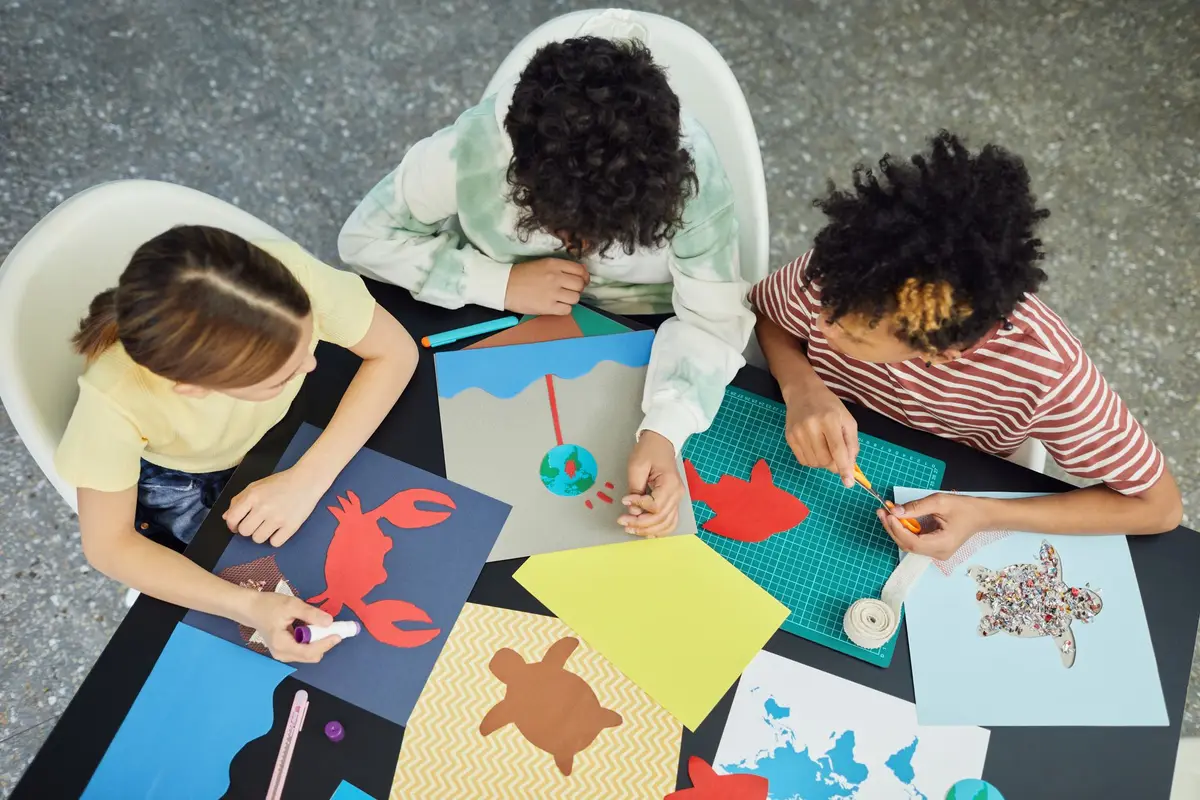
Yes, and it works better than most group activities because everyone paints at their own pace. Birthday parties, siblings and playdates all work. Each child leaves with their own figurine, which removes the usual argument about who gets to keep what.
Article by the RIIN Art team - Casablanca.
Photos: cottonbro studio, Anastasia Shuraeva and Vanessa Loring via Pexels.